
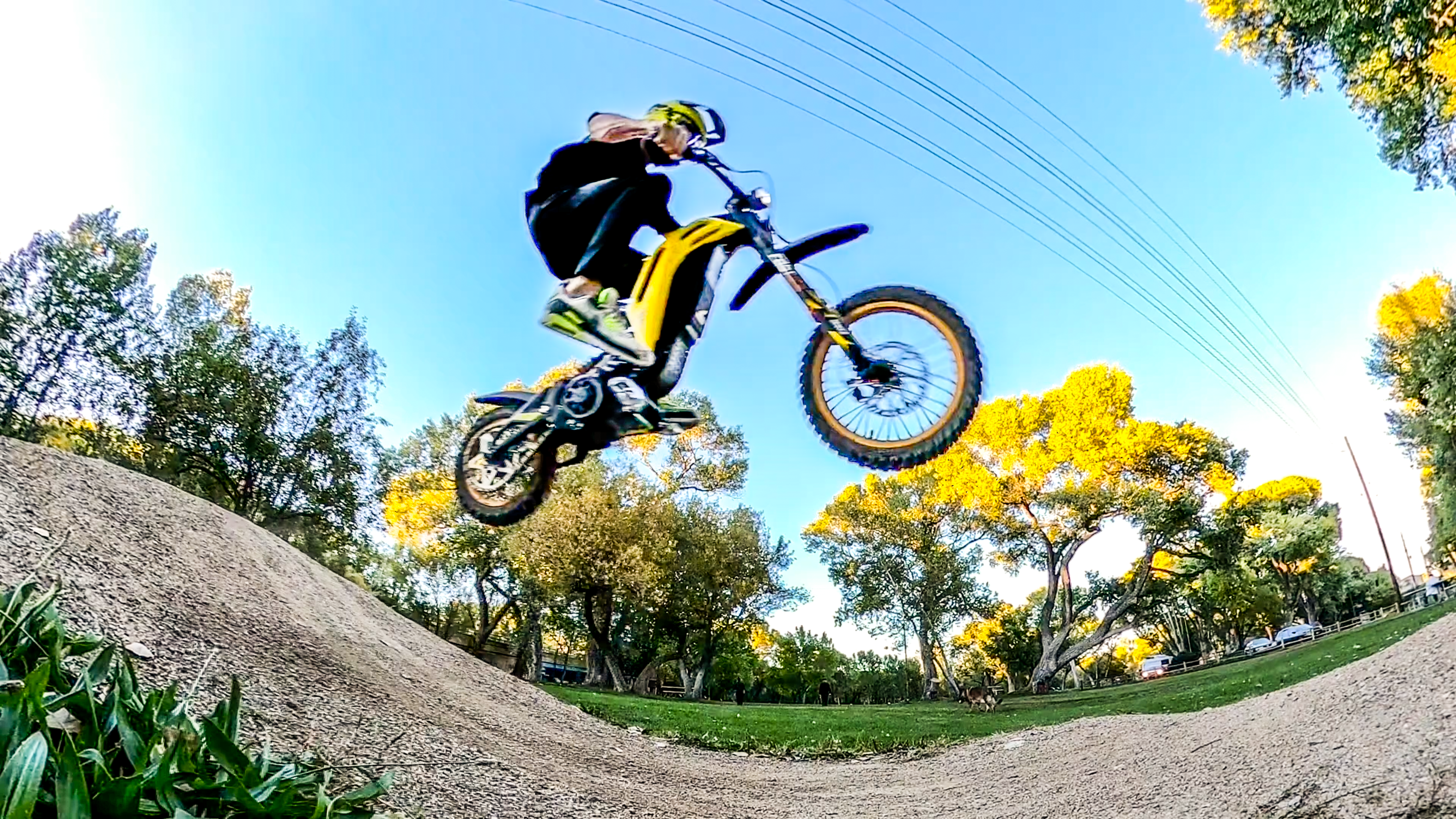
Battery range is one of the biggest concerns for electric dirt bike riders. While manufacturers provide laboratory-tested range estimates, real-world numbers can vary dramatically. The way you ride — your speed, throttle habits, terrain, body weight, and power mode — all have a major impact on how far your bike can actually go.
Understanding these factors not only helps you squeeze more miles out of every charge but also prevents unexpected power drop-offs during longer rides. Here’s a breakdown of the key riding behaviors that influence range.
1. Acceleration Habits and Power Demand
Hard acceleration is one of the fastest ways to drain an electric dirt bike battery. Full-throttle launches require a large surge of electrical current, causing:
-
Higher energy consumption
-
Increased motor and controller heat
-
Faster battery depletion
In contrast, smooth, controlled throttle input keeps power delivery efficient and significantly extends riding distance. Gradual acceleration is especially important on trails with lots of stop-and-go riding.
2. Average Speed and Aerodynamic Resistance
The faster you ride, the more air resistance your motor must overcome — and aerodynamic drag rises exponentially with speed.
High-speed riding means:
-
More power draw
-
Higher battery temperature
-
Reduced overall range
Maintaining a moderate, steady cruising speed on open dirt roads or flat trails is one of the easiest ways to improve efficiency and ride longer between charges.
3. Terrain Type and Surface Conditions
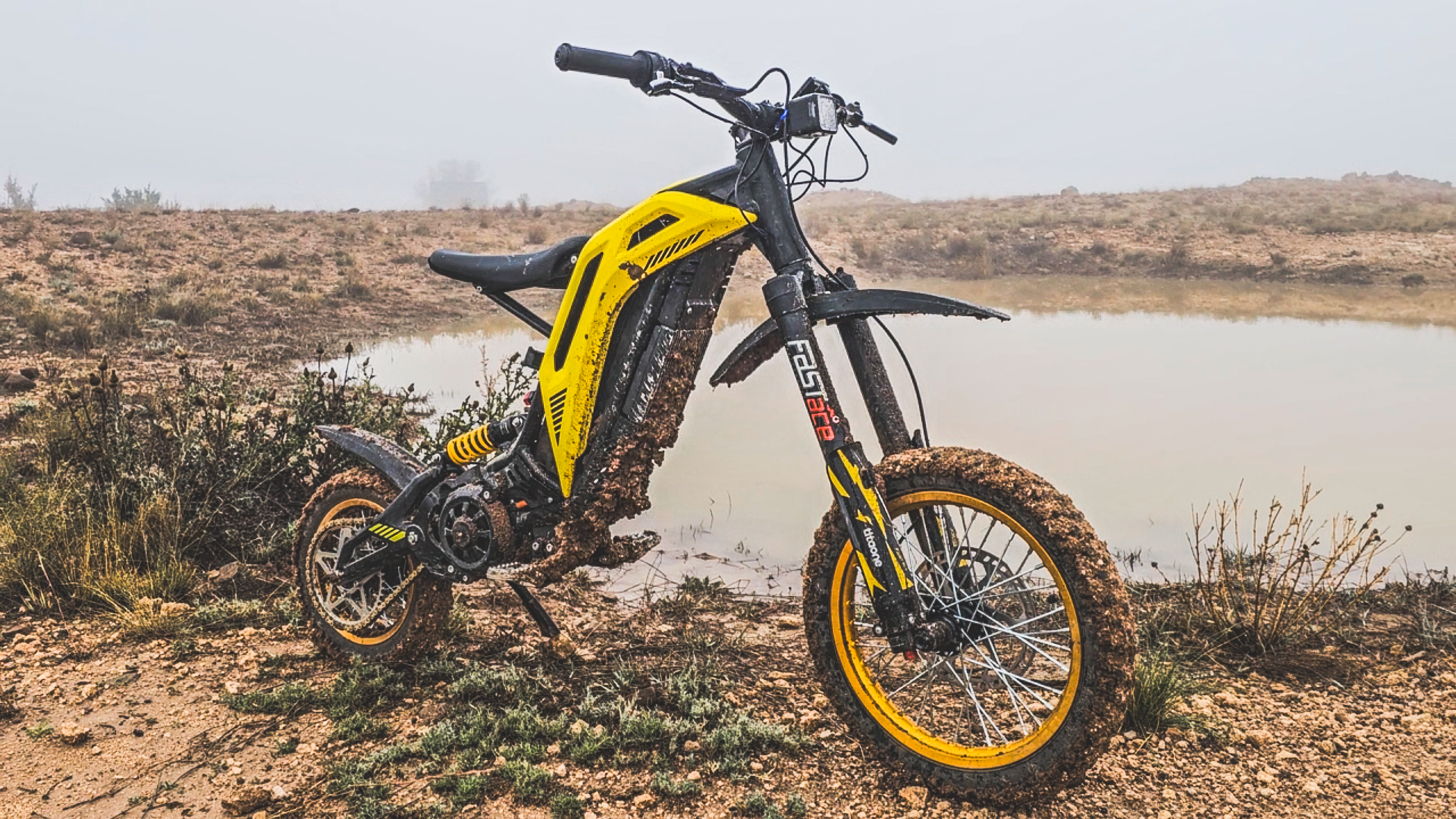
Terrain plays a huge role in battery use. Surfaces that increase rolling resistance demand more torque, which pulls additional power from the battery. For example:
-
Sand, mud, snow, and deep gravel = high resistance → lower range
-
Hard-packed dirt or dry trails = low resistance → better efficiency
Extended climbs and steep hills also force the motor to work harder, accelerating battery drain. Smooth terrain and gradual elevation changes are ideal for maximizing distance.
4. Rider Weight and Additional Load
The total system weight — rider, protective gear, backpack, tools, or accessories — impacts how much power the bike needs for:
-
Acceleration
-
Maintaining speed
-
Climbing hills
Heavier loads require more torque and therefore more energy. Even an extra 10–20 lbs can noticeably reduce your range on longer rides.
5. Power Mode Selection and Efficiency
Most electric dirt bikes include adjustable ride modes such as Eco, Trail, and Sport, each with different power outputs.
-
Eco Mode: Prioritizes efficiency and extends range
-
Trail Mode: Balanced performance and battery usage
-
Sport Mode: Maximum power with rapid battery drain
Using the right mode for the right terrain — for example, Eco on flat sections and Sport only when needed — is one of the easiest strategies for conserving battery life.
6. Regenerative Braking and Energy Recovery
Regenerative braking captures some energy during deceleration and converts it back into stored battery power. While it won’t recharge your bike in a meaningful way, regenerative braking can extend ride time, especially on:
-
Downhill trails
-
Stop-and-go sections
-
Technical descents
Think of it as efficiency bonus rather than a primary source of power.
Small Habits Make a Big Difference
Your bike’s real-world range is shaped by everyday riding choices. Smooth throttle control, stable speeds, mindful terrain selection, and smart use of ride modes can dramatically improve efficiency. By adopting these habits, you can enjoy longer, more predictable rides and make the most of every charge — whether you're exploring trails, climbing hills, or riding for fun.
👉 Discover the full potential of the Viper S electric dirt bike at 79emotos.com

How to Prepare Your Electric Dirt Bike for a Long-Distance Adventure
How Weather Conditions Affect Electric Dirt Bike Riding